
We just published the results from the 2026 M&A with Change of Control & Severance Survey, and we have exclusive analysis for you in this month’s newsletter.
Let’s set the scene: According to PitchBook’s Global M&A Report, healthcare was “the quarters clearest growth story.” Healthcare M&A value reached an estimated $165 billion, up 71.6% year over year, with deal count up 13%, a sign of broad-based buying rather than a handful of megadeals. In tech, strategic acquirers stayed active on AI-driven deals even as sponsor-led buyouts pulled back sharply.
Regardless of whether there is a transaction on the horizon, thinking about a carve-out plan and knowing how to put one in place ahead of time is a win no matter what. And since a plan typically follows your equity allocation, getting the cash and equity mix right early matters.
What is it? A carve-out plan is defined as a bonus plan, where the size of the bonus pool is determined by “carving out” a portion of the deal proceeds. This is often the only way for key employees to have liquidity during an M&A transaction.
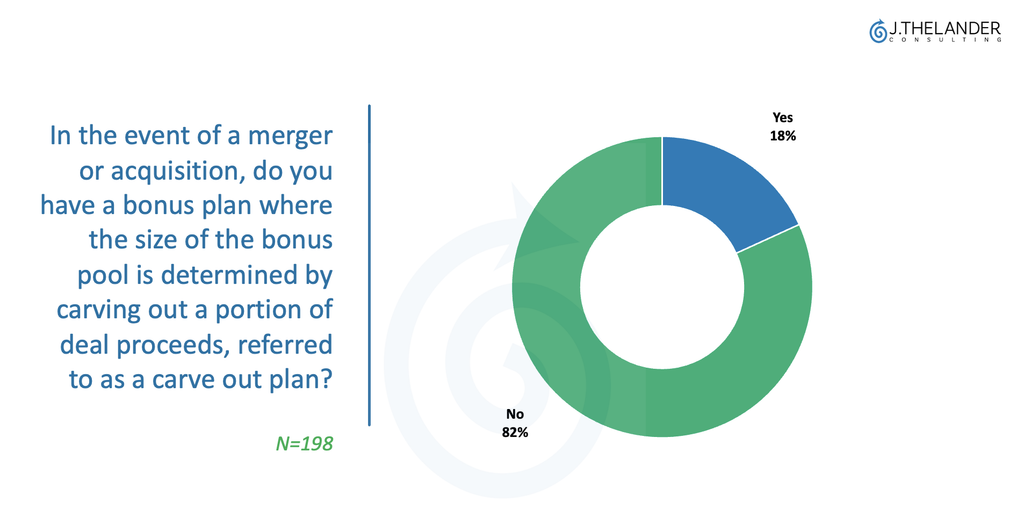
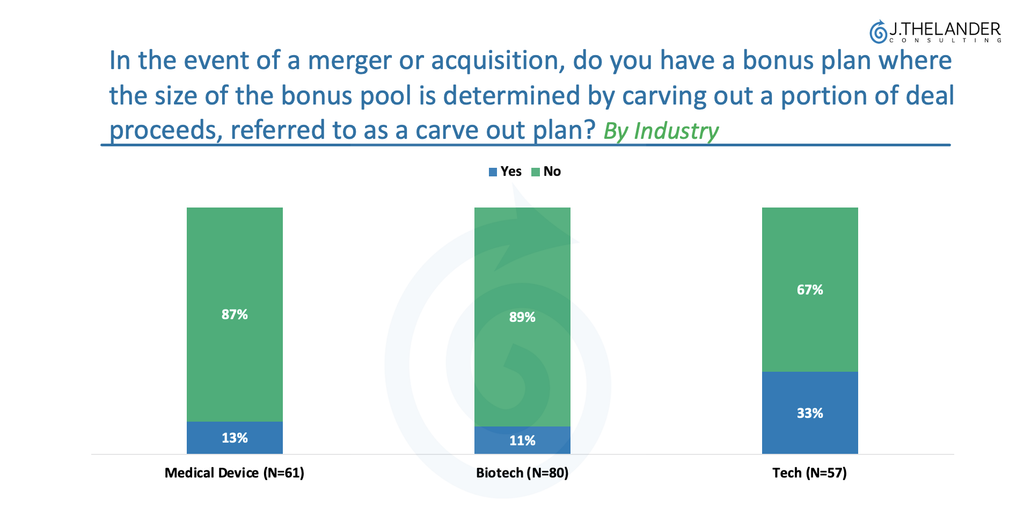
The majority of companies, 82% do not have a carve-out plan in place. The 18% that do are ahead of the curve. Tech companies are ~3x as likely to have a carve-out plan in place compared to their life science counterparts.
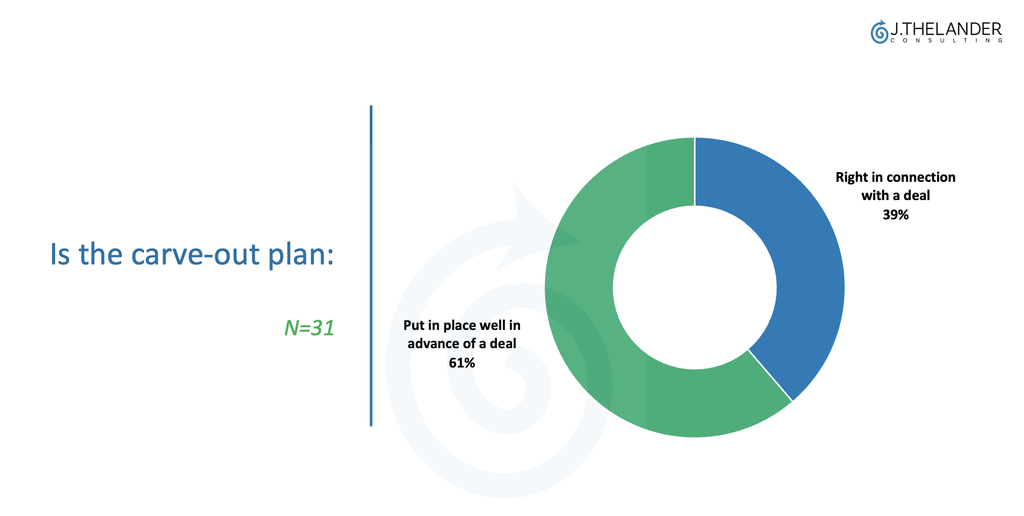
But 61% of those who do put it in place well in advance of a deal, which shows that it’s useful to be prepared before a buyer comes knocking. Offense > defense.
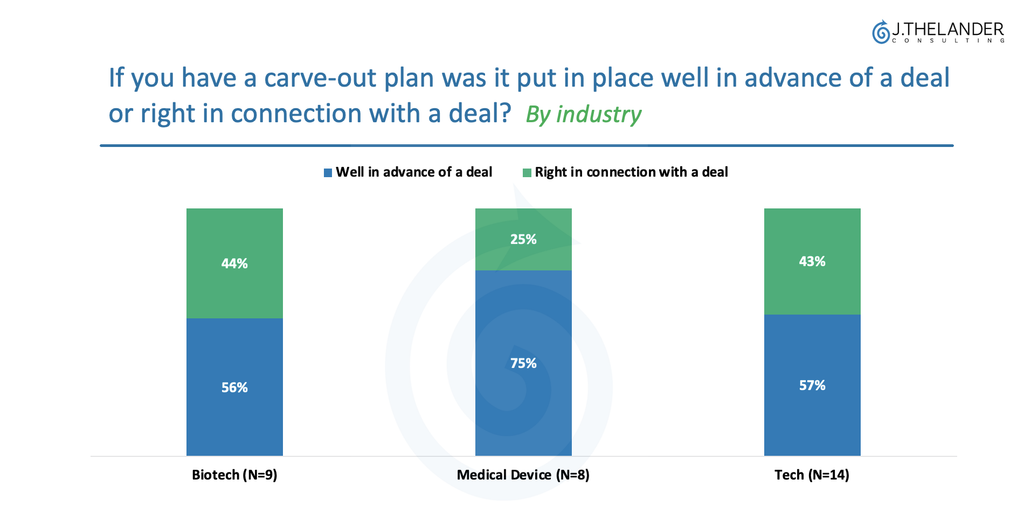
Medical device companies are currently the most likely to have put a carve-out plan in place well in advance of a deal, but biotech and tech companies are still above 50%.
So, what does this mean for you? How do you put one in place? Using our M&A bootcamp recording with Ali Murata, Partner @ Cooley:
- Timing is a “Goldilocks problem.” The pool comes out of the preferred stockholders’ proceeds. Too early won’t be well received, and too late means asking investors to give up money they’ve already counted. “Well in advance” means once board conversations about an acquisition begin.
- Talk to your board ahead of time. Only 51% of companies have a comp committee, and the CEO typically leads these discussions. This isn’t an agenda item to spring on directors.
- Follow your equity allocation. The most common approach allocates the pool in line with existing equity holdings.
- Size the pool. Our data shows overlap in the 5-8% range of deal proceeds. The percentage often comes down slightly as deal size grows.
- Offset to avoid double dipping. Many plans fund from dollar one and reduce payments by any proceeds received through common stock.
- Define who participates. Participation is typically the CEO and other chiefs, then SVPs, then selected key employees, as determined by the board.
- Set payout terms and bring in counsel. Participants must remain employed through the change of control. Payouts at closing or alongside stockholders (including escrows and earnouts) carry tax implications that need careful structuring.
Interested in the M&A Report? You can fill out the survey today and download the participant report on the Thelander platform. Have questions about your comp? We can help with that too. Request a demo.