Newsletter – IF Edition

The Thelander Digest – Investment Firm Edition

What Determines the Size of a VC’s Carry Pool?

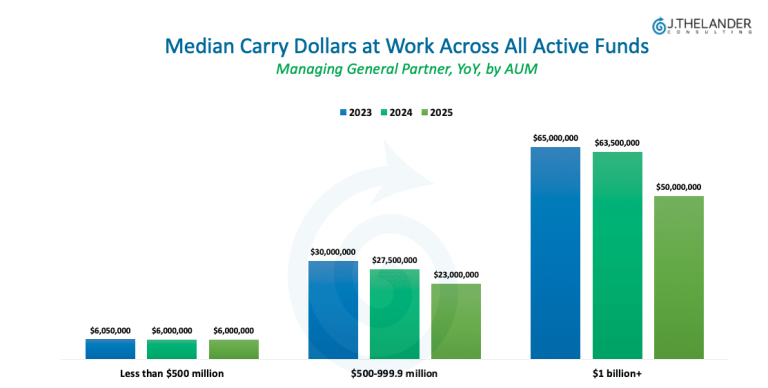
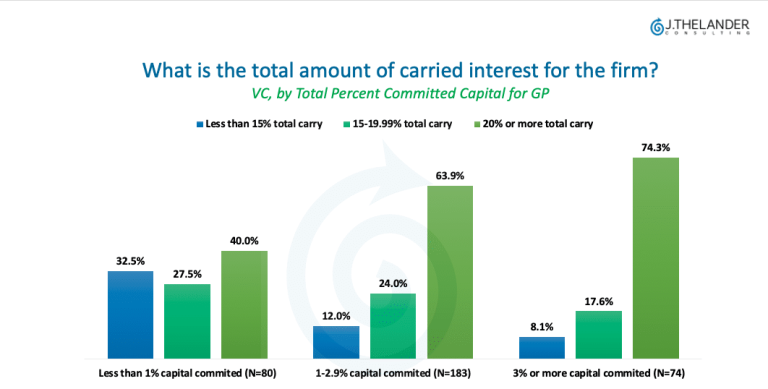
Carried Interest: How Much You Put In = How Much You Get Out Let’s level-set before we begin: Carried interest percentages for individual investment professionals are calculated as a share of the total GP carry pool. The pool is what determines how much carry each individual receives. The pool is traditionally an 80/20 split, where the LP receives 80% of fund profits and the remaining 20% goes into the GP carry pool (which is what the majority of firms have, according to our survey data). Since the total GP carry pool determines the overall pot that individual carry distributions represent
Read More »

What does a Chief of Staff make at Venture Capital firms?

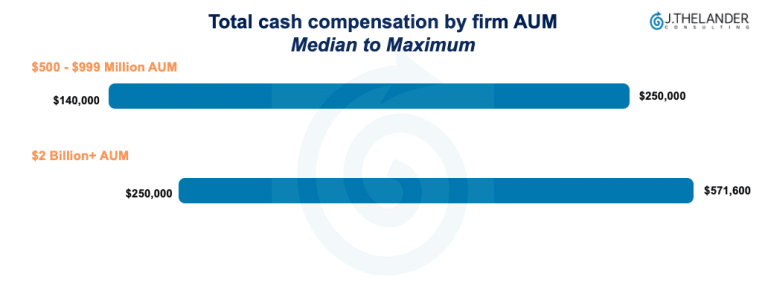
 If you’ve been scrolling LinkedIn and you’re in the private capital market, chances are you’ve seen firms hiring for a Chief of Staff (CoS). Since we added the title into the Thelander-PitchBook Investment Firm Compensation Survey in 2023, not only have we seen the number of respondents surge, but the compensation too. At what point do venture capital firms hire a CoS? Thelander data shows that these roles become prevalent after the $500 million AUM mark is passed. Firms with $500 – $999M in AUM are paying $140,000 (median) to $250,000 (maximum) in total cash with no carry included in
Read More »

QSBS Eligibility: How Investment Firms Track It

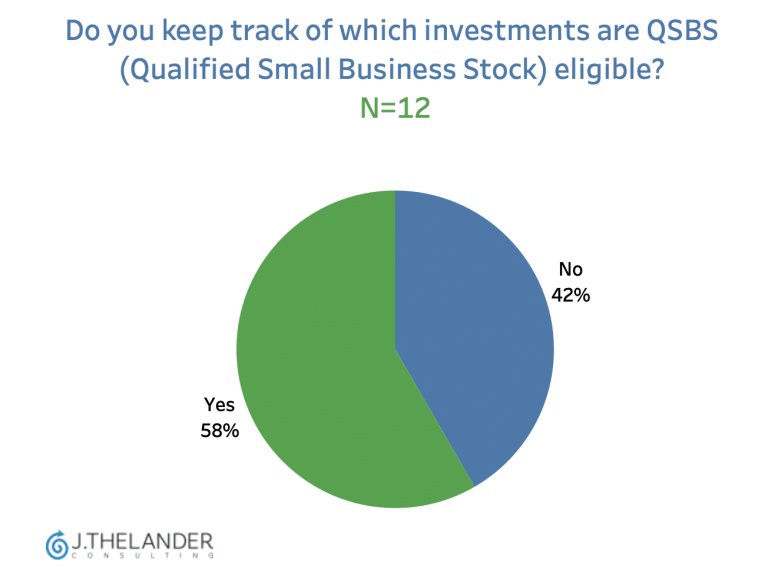
Carried Interest & Management Fees Report Have you participated in the Thelander-PitchBook Investment Firm Compensation Survey yet? Secure your complimentary Carried Interest & Management Fees Report when you complete your response by August 17th. Click here to participate. Exclusive Preview From the 2026 Report So far, more than half of respondents keep track of which investments are QSBS (Qualified Small Business Stock) eligible. But only 17% have a strategy for structuring investments to improve or preserve that eligibility. Among those who track it, eligibility varies — equal shares report that less than 50% or 50–80% of their investments qualify, with a

Read More »

Where Talent is Moving Across VC & PE

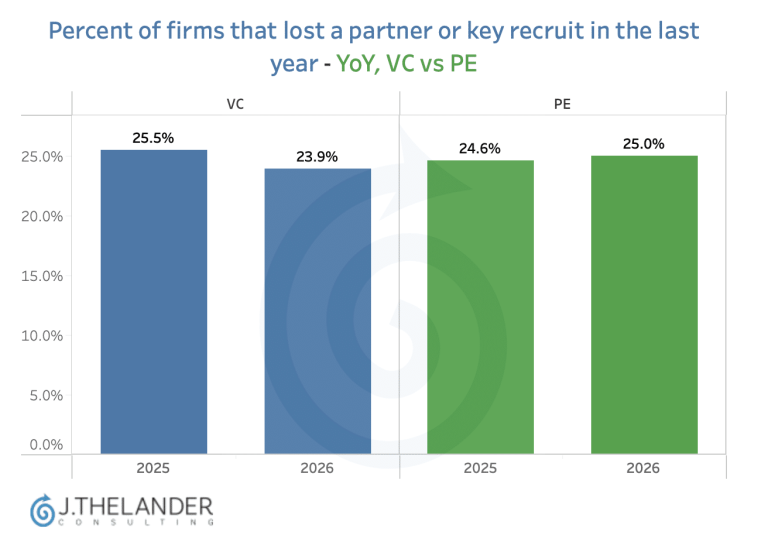
According to the Q2 PitchBook-NVCA Venture Monitor, “LP dollars are still flowing, but they are reaching a smaller set of large established managers rather than the broader market.” On the other hand, venture dollars continued to flow “unevenly” and megadeals made up 87.5% of the $412.7 billion deployed.  So, how does this translate to talent and compensation?  In this month’s digest, we looked at how partner and key-recruit turnover changed YoY, and for firms who have lost a key recruit, where that person landed. Among VC firms that lost someone, the most common destination, another VC firm, climbed from 39.3% to

Read More »

Long Term Incentives at CVC Units

In this month’s CVC Digest, we are revisiting one of our most popular newsletters to see how the data has changed. The Three Year Shift in Long Term Incentives Over the past three years:  Does incentive structure impact median total cash for CVC Unit Leaders?  What additional incentives are used also impacts how much cash an investment professional receives, although not necessarily in the way you’d think. For CVC Unit Leaders: This suggests that more competitive units, or those that operate more like traditional VC firms, tend to offer both higher cash and additional incentives, while units who are not as

Read More »

AI in Venture Capital and Private Equity: How Firms Differ

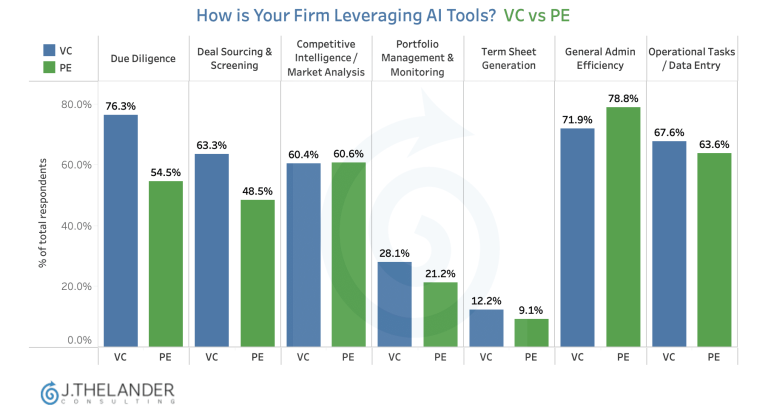
Using data from the Thelander AI in VC report (available on the Thelander Platform for no charge), we looked at how AI in venture capital and private equity is being used in very different ways — and the data shows a clean split by firm type. VC firms are more likely to use AI for investment and management tasks, especially due diligence and deal sourcing and screening.  Whereas PE firms are more likely to use AI for admin efficiency purposes. More than 50% of PE firms that use AI also use it for: – Due Diligence– Competitive intelligence / market analysis– Operational

Read More »

Venture Capital Compensation by Role: What the Data Actually Shows

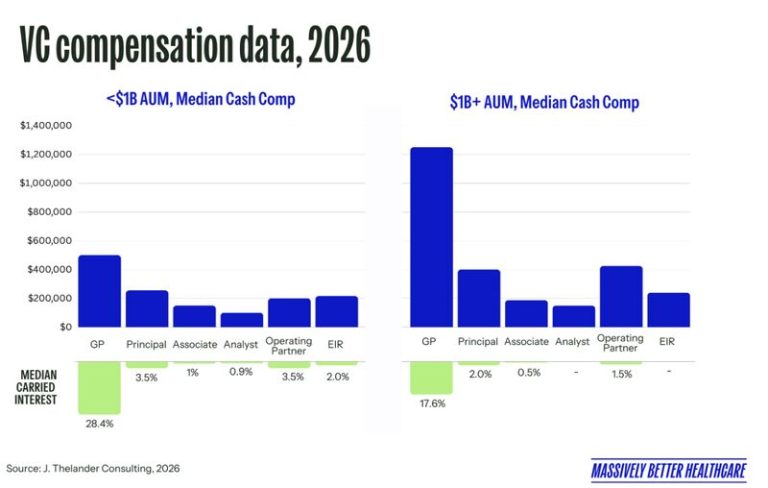
Any day Thelander data is used in a Halle Tecco, MPH, MBA blog post is a good day. Halle updated her post on “The Many Roles at a Venture Fund — And How to Land Them” with real-time (& exclusive) compensation data from the Thelander platform for six job titles. We customized the data by under $1 Billion and $1 Billion+, Venture Capital only — but subscribers can get even more granular than that. A few highlights: Participate in the Thelander-PitchBook Investment Firm Compensation Survey to see how your cash and carry compare to market benchmark today. There is no

Read More »

Investment Firm Compensation: What Associates and Managing Directors Are Making

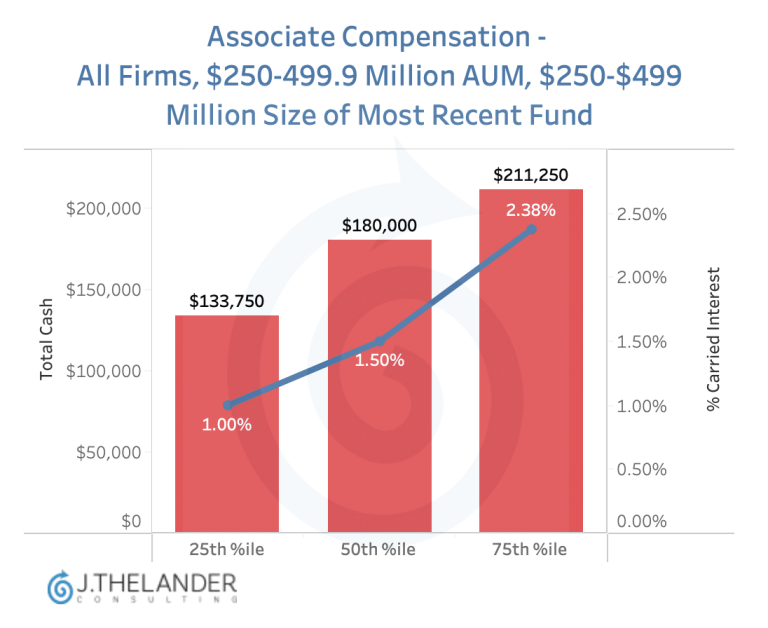
In honor of America’s 250th birthday, we’re sharing real-time comp data (straight from the Thelander platform) for all investment firms with $250 – $499M AUM and a most recent fund of $250 – $499M. Here’s what Associates & Managing Directors / Partners are making: Chart #1: AssociatesTotal cash ranges from $133,750 at the 25th percentile to $211,250 at the 75th percentile, with carried interest ranging from 1.00% to 2.38%. Chart 2: Managing Directors/Partners Total cash ranges from $386,500 at the 25th percentile to $487,500 at the 75th percentile, with carried interest ranging from 8.75% to 18.00%. Before signing off for

Read More »

Marketing & Communications Roles at Investment Firms. How’s the Comp?

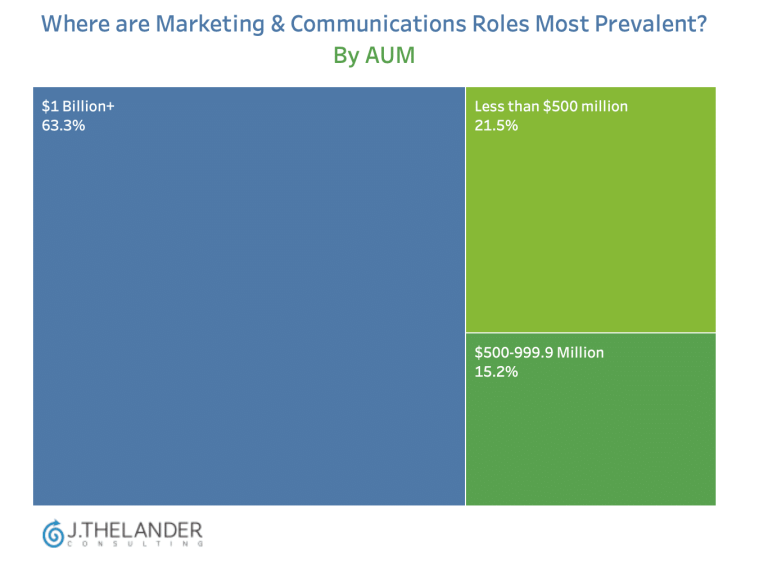
Dedicated in-house marketing teams at investment firms is still relatively rare, but that’s changing. Firms like Lightspeed are leading the shift, with their CMO describing the firm as “much more than capital providers. They’ve become media companies.” How common are dedicated Marketing & Communications roles across the broader investment firm ecosystem, and what does it take for a firm to build one in-house? We pulled data from the Thelander-PitchBook Investment Firm Compensation Survey to find out. It Starts with AUM The clearest predictor of whether a firm has a Marketing & Communications function is AUM. Overall, Marketing & Communications positions are most

Read More »

How Private Company Fundraising Has Changed in 5 Charts

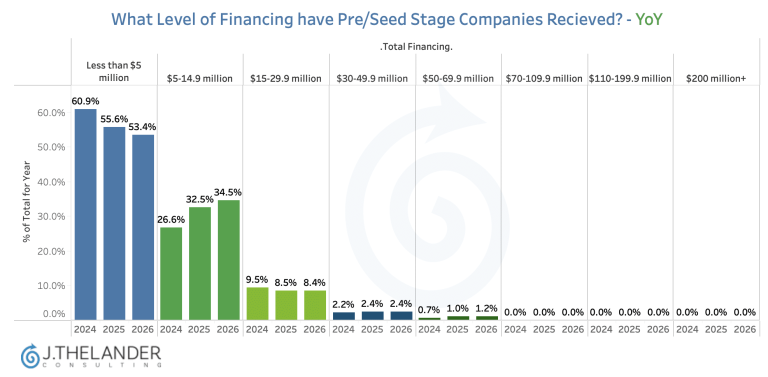
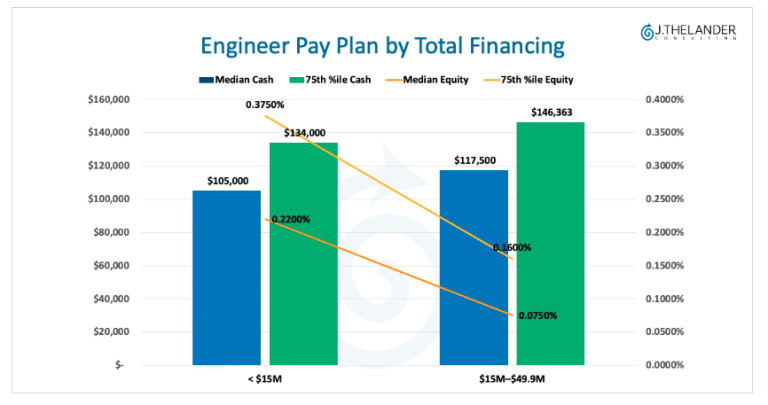
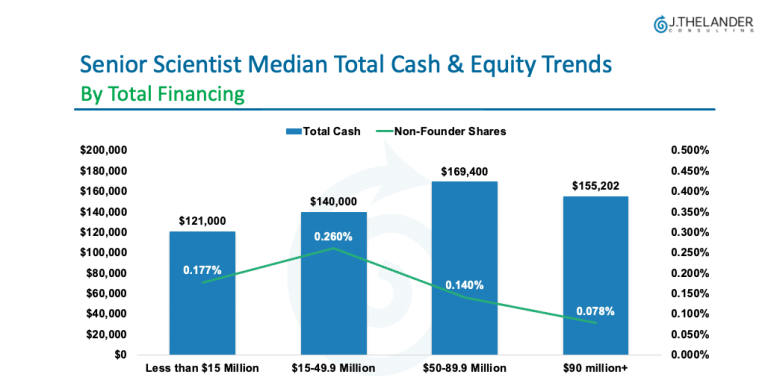
Fundraising rounds at private companies are getting larger at every stage. In this month’s digest, we are digging into the correlation between the most recent series raised and the total amount of financing raised (as a dollar amount) to see how the market has shifted since 2024. That shift has meaningful implications for how companies structure their compensation, specifically the mix of cash and equity (for founders and non-founders) at each level of financing. Let’s take a look. Pre-Seed / Seed: Companies Are Raising More From the Start  Seed stage companies are coming out of the fundraising gate with larger

Read More »

What Talent Partners at Venture Capital Firms Are Making

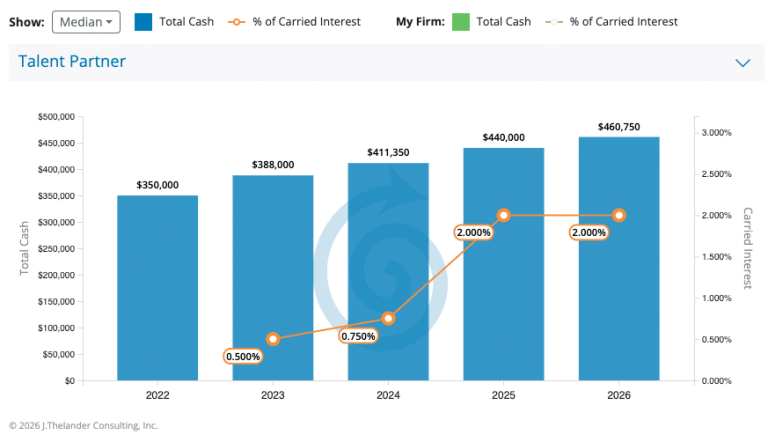
Venture capital firms are increasingly building out dedicated talent teams to help portfolio companies hire executives and scale their teams, a model long used by CVC Units. As these roles have become more strategic, compensation has followed. We dug into the Thelander YoY dataset (available through an investment firm subscription) to see what Talent Partners at VC firms with more than $1 Billion in total AUM are actually making. Chart 1: Median Talent Partner YoY Compensation Chart 2: 75th Percentile Talent Partner YoY Compensation The Bottom Line: Compensation for talent teams is moving in one direction — up. Talent Partner

Read More »

Investment Firm Compensation: Why AUM Alone Isn’t Enough

We just wrapped an investment firm consulting project where we looked at the firm’s compensation by both total AUM and size of most recent fund. We found the data to be interesting, so we’re sharing some of the analysis with you in this month’s digest. One of the most influential ways to customize investment firm compensation is by AUM, because it impacts the mix of cash and carry. At the same time, AUM on its own doesn’t necessarily tell you everything you need to know about compensation levels. The size of most recent fund can also matter in determining the compensation levels,

Read More »

One in three investment firms gift vertical slices of carry into trusts. Is yours one of them?

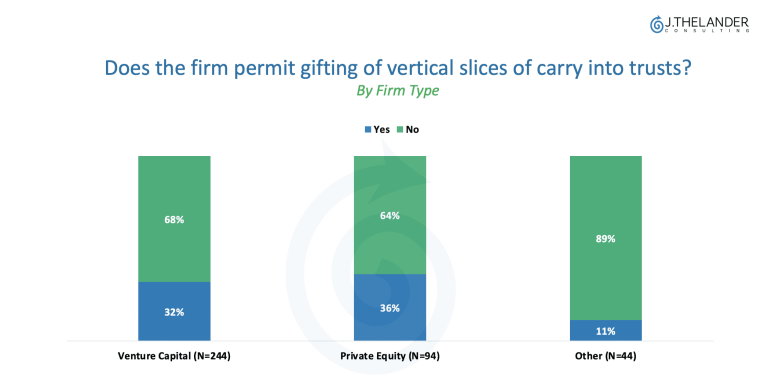
Carried interest is one of the most powerful levers in venture capital and private equity compensation. In our recent webinar with GetDynasty.com, we discussed putting part of your carried interest (and committed capital) into vertical trusts. Here’s what the data says, and what you need to know before you act. When it comes to gifting vertical slices of carry into trusts, roughly one in three firms — both VC and PE — currently permit it. But the patterns shift meaningfully by firm type and AUM. PE firms with less than $500 million in AUM are more likely to allow it

Read More »

The Investor Option Pool: Why Valuation Matters More Than Share Size

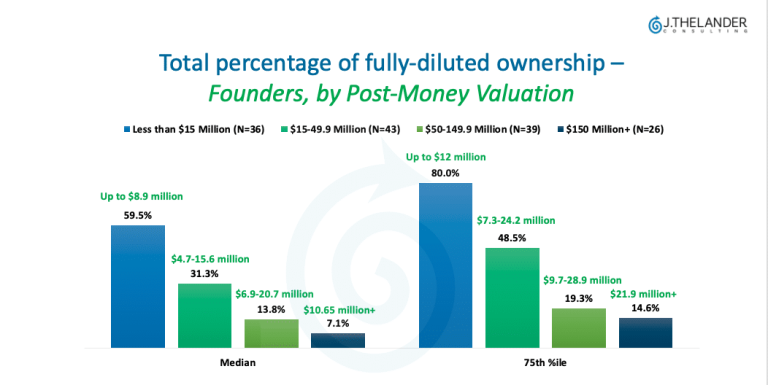
In our last piece, we looked at how the founder share of a company’s option pool shrinks as valuations rise — and what that actually means in dollar terms. This week, we’re looking at the investor option pool: what that growth actually means, and why the dynamics of the investor pool are fundamentally different from those of the founder pool. The investor option pool behaves differently from the founder pool. For founders, the relative size of the option pool matters significantly. A founder at the 75th percentile in a lower valuation tier can end up with more in dollar terms

Read More »

Venture Capital Compensation Trends: Roles Funds Are Betting On

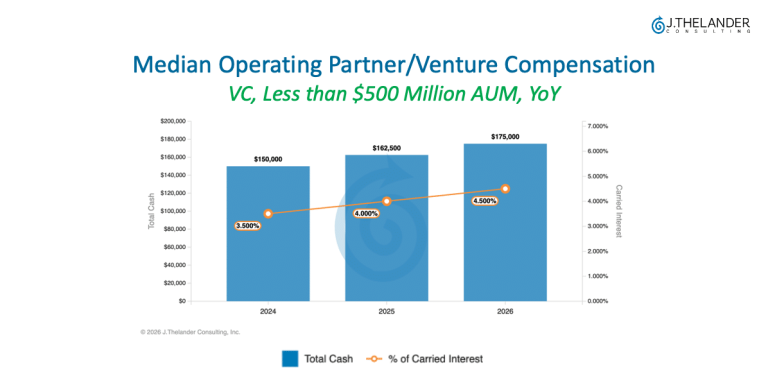
When we asked Perplexity what was going on in Venture Capital this week, it said that venture was in its “value creation” era — and when we looked at the year-over-year venture capital compensation trends on the Thelander platform, we understood why. We pulled the roles with the biggest jumps in median total cash since 2024, and a clear pattern emerged: funds are paying up for people who move the needle for the fund and founders. At VC firms with less than $500M in total AUM, Operating Partners and Directors/Principals are tied for the largest gains, each up around 17%.

Read More »

Investment Firm Bonus Structure

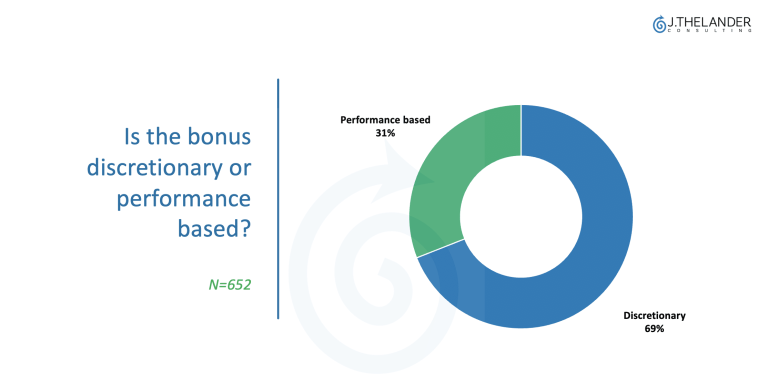
Investment firm bonus structure varies widely across PE and VC firms — and understanding how bonuses are set is critical for attracting and retaining top talent. In case you missed our IF Data Drop last week, we’re expanding on how firms structure bonuses for their investment teams. The first major consideration is whether a bonus is discretionary or performance-based.In case you missed our IF Data Drop last week, we’re expanding on how investment firms structure bonuses for their teams. The first major consideration is whether a bonus is discretionary or performance-based. — Discretionary bonuses are determined entirely at the partners’ judgement, with no defined criteria or

Read More »

“How big should our option pool be?”

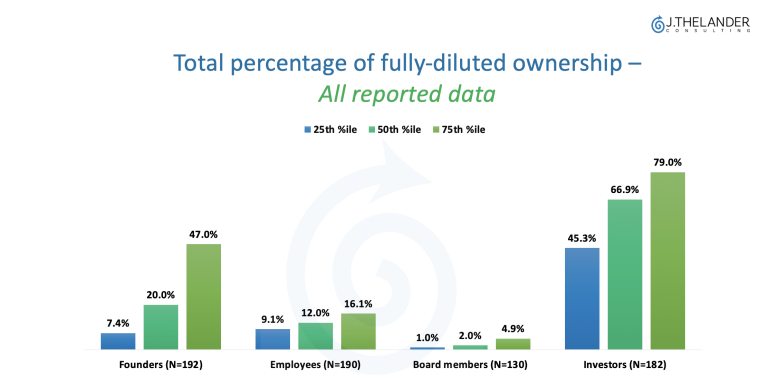
Welcome back to the Thelander Digest. This month, we are digging into one of the most important elements for a startup: the option pool. Whether you’re setting one up for the first time, preparing for your next round of fundraising or rethinking your equity strategy as you scale, getting the option pool right has the long-term implications for founders, employees, investors and non-investor board members.An option pool consists of shares reserved for executives and employees of a private company. It’s the equity budget you’ll use to attract, retain, incentivize and align the team. One of the most frequent questions we receive

Read More »

Bonus Structures: VC Holds Steady While PE Drifts Toward Discretion

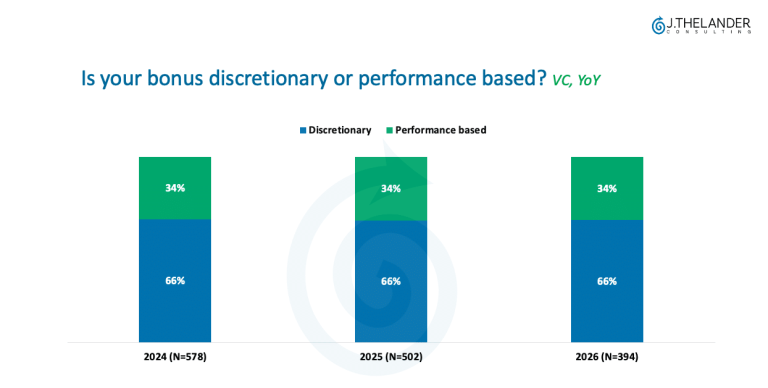
What’s driving VC and PE bonus structures in 2026? New data from the Thelander x PitchBook Investment Firm Compensation Survey shows that bonus structures across VC and PE firms remain tilted toward discretionary pay — but the similarity ends there.  The Wall Street Journal reported this morning that Wall Street’s 2025 bonuses reflect a “gangbusters” year – payouts largely based on “teams’ and firms’ performance.” It’s a timely backdrop for what Thelander data shows happening inside VC and PE firms, where the question of how bonuses are determined tells a more nuanced story. Bonuses can be determined in one of two ways:— Discretionary, meaning entirely

Read More »

VC Associate Compensation by Region: Why AUM Matters More Than Geography

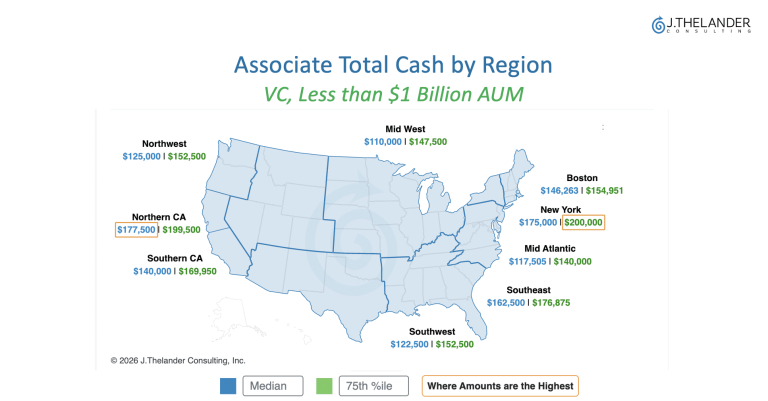
VC associate compensation by region varies widely across the U.S., but the biggest driver of total cash might not be what you’d expect. While associates in Tier 1 regions do earn more, the most significant step-up in total cash occurs once firms cross the $1 billion AUM threshold. Using the interactive compensation maps from the Thelander platform, here’s what the data shows. Under $1 Billion AUM: Geography Leads The spread here is wide—median associate total cash ranges from roughly $110,000 in the lowest region to nearly $180,000 in the highest. $1 Billion+ AUM: Geography Compresses The Bottom Line: Firms pay

Read More »

Carried Interest Vesting: How VC and PE Firms Are Moving in Opposite Directions

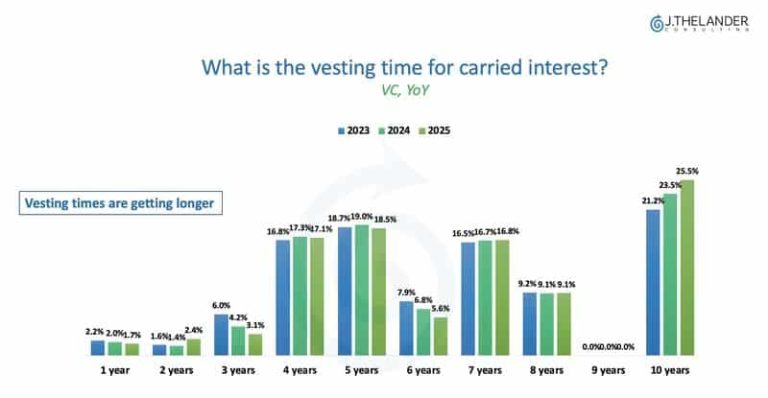
Carried interest vesting is diverging — and the gap between VC and PE is widening. Using carried interest data from the Thelander platform, we’re seeing a clear split in how both VC and PE firms are structuring vesting times. At Venture Capital firms, vesting is getting longer. At Private Equity firms, vesting is getting shorter. The takeaway: With both fundraising and exits taking longer, venture firms are using longer vesting to reinforce long term alignment. Private equity firms are concentrating economics over a tighter window — making it more important than ever to benchmark your carried interest percentages to market.

Read More »

How Managing General Partner Compensation Changes as AUM Grows at VC Firms

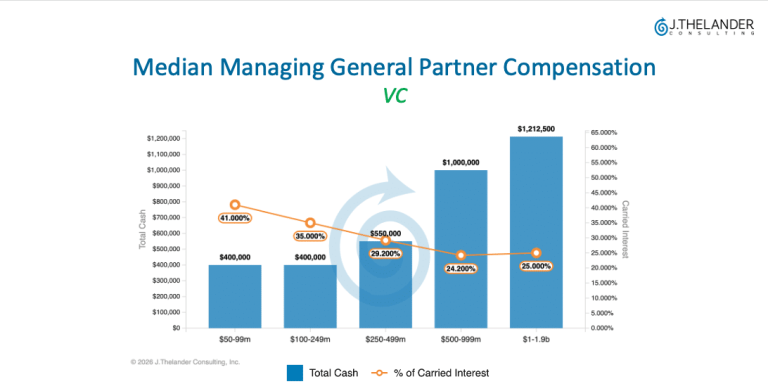
You’re a Managing General Partner of a venture firm and your AUM grows from $50 – $99 million to $1 – $1.9 billion…How do you expect the mix of cash and carry to change? The Thelander Comp Planning tool has the answer. Using real-time data from the Thelander platform: Thousands of firms rely on the Thelander Comp Planning Tool to model the evolution of their own firm to understand exactly how much cash and carry to allocate to their teams. To see how your current mix of cash and carry compare to market for no charge, fill out the Thelander x

Read More »

How CVC Unit Leader Compensation Has Changed Since 2022

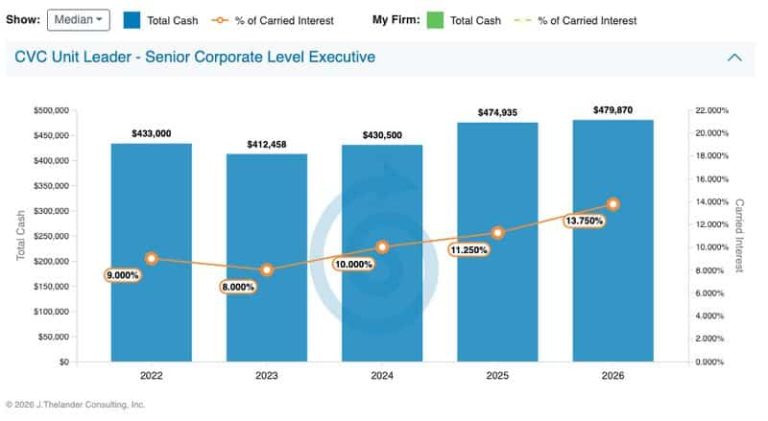
CVC Unit Leader compensation has grown meaningfully over the past five years, with the sharpest gains showing up in carried interest. Using data from the Thelander platform, this data drop tracks how total cash and carried interest for CVC Unit Leaders—senior corporate-level executives running corporate venture units—have shifted from 2022 through 2026, at both the median and 75th percentile. Carried Interest: The Standout Story The most striking change is in carry. Total Cash: Steady Growth Total cash has risen more modestly. The bottom line? The professionalization of CVC Units has come with rising compensation across both total cash and carried

Read More »

How Long Until You Get Promoted? Career Progression at Investment Firms

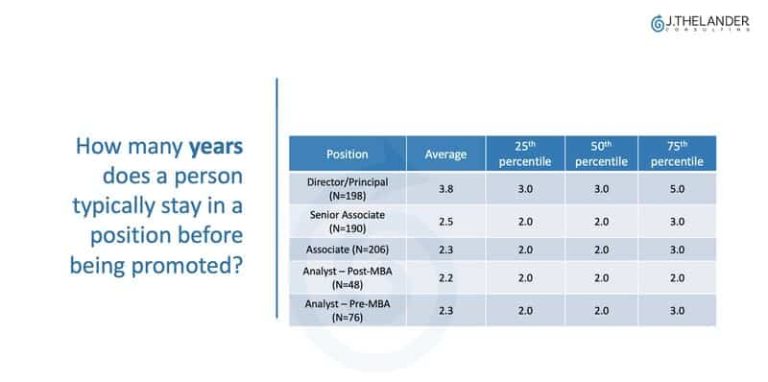
The promotion timeline at investment firms varies by level, but the data reveals a clear pattern: the higher you climb, the longer it takes to move up. Using data from the Thelander platform across 500+ investment firms, here’s how long professionals typically spend in each role before their next promotion. Using data from the Thelander platform from 500+ investment firms: Both pre-MBA and post-MBA analysts move up in roughly two years on average (2.3 and 2.2 years, respectively). At this early stage, progression is relatively quick and consistent—the median time in role is 2 years, with the top quartile moving

Read More »

Committing Capital For Your Carry

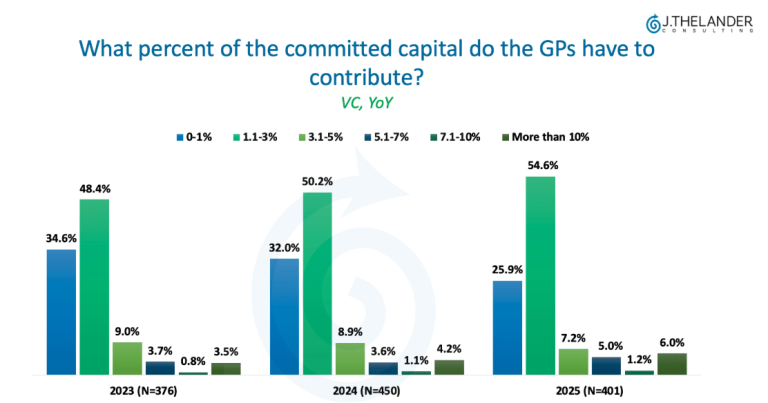
Committing capital for your carried interest is one of the most important – and often least talked about – parts of a carry package. When investment professionals write a personal check into the fund, they are putting skin in the game. That capital committed is tied directly to the amount of carried interest they receive, which is the upside when (and if) things go well. It ties the general partners (GPs) to the performance of the fund. Committing capital also aligns the interest of the GPs with the LPs, ensuring LPs that fund managers take on some of the risk

Read More »

What Are Director of Investor Relations Making at Investment Firms?

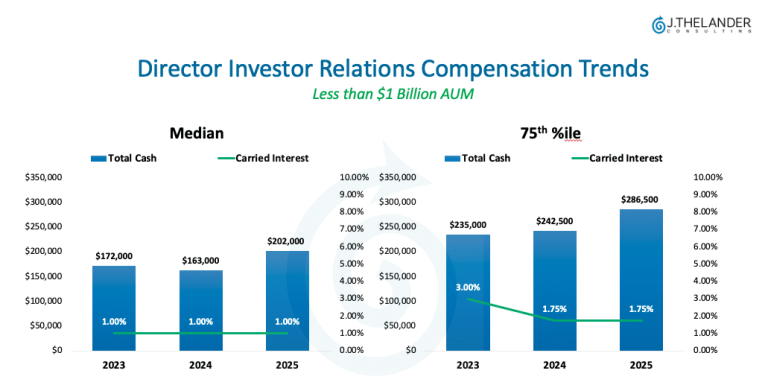
Investor relations has become a strategic role at investment firms, and Director of Investor Relations compensation is starting to reflect it. As fundraising and exits take longer, Directors of IR sit at the intersection of capital raising, LP communication and firm reputation. So, does the compensation data reflect that growing responsibility? At firms with less than $1 Billion in total AUM – At firms with more than $1 Billion AUM, total cash decreased at both the median and 75th. What’s the bottom line? At firms under $1 Billion AUM, total cash for Directors of IR is climbing—up $30,000 at the

Read More »

Family Office vs. Venture Capital Firms: Who Pays More?

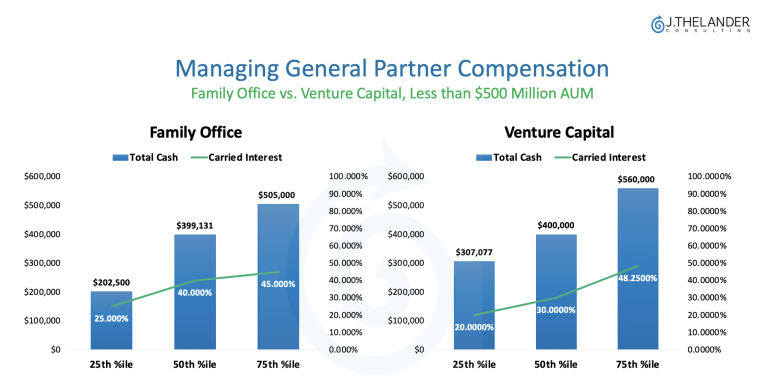
When it comes to family office vs venture capital compensation, there’s no single answer to who pays more, it depends entirely on the role, the percentile you’re using and the total AUM. This week’s investment firm data drop analyzes total cash and carried interest compensation for Managing General Partners and Director / Principal level roles at family offices and venture capital firms with less than $500 million in total AUM.  Key takeaways: Managing General Partner Key Takeaways: Director / Principal It’s all about the competition for talent. Family offices may offer lower cash at entry levels but provide stronger carried interest opportunities—particularly for Director/Principal talent.

Read More »

Investment Firm Compensation: Salary Increases for 2026

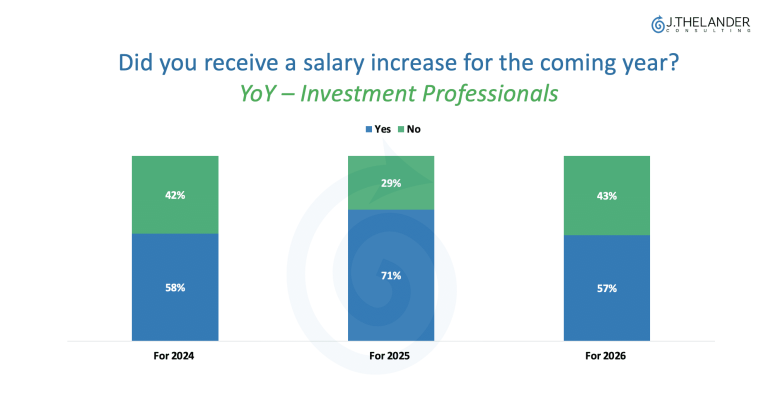
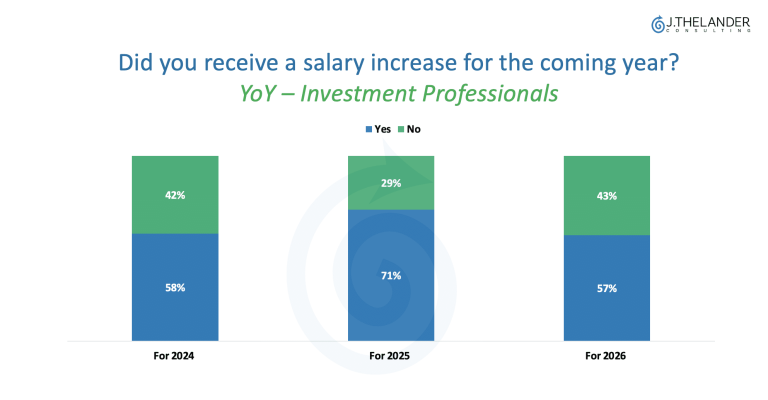
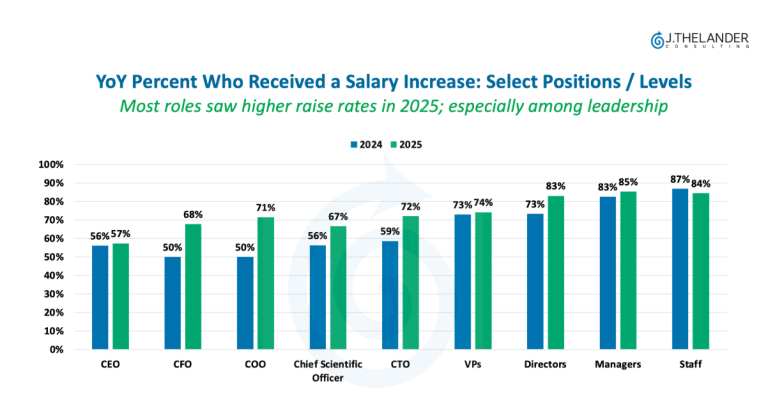
Welcome back to the Thelander Compensation Digest. As we wrap up 2025, here is a sneak peek at the results from our Salary Increase & Bonus Survey with PitchBook. Noteworthy is the cost of living increase as a factor for salary increases, which ties directly to market conditions. Find out more below!  The percentage of investment professionals who received a salary increase for 2026 has gone down since last year, but is on par with for 2024. Let’s dig in deeper – out of the six levels of investment professionals – who exactly received a salary increase going into the

Read More »

Investment Firm Salary Increases for 2026

Welcome back to the Thelander Compensation Digest. As we wrap up 2025, here is a sneak peek at the results from our Salary Increase & Bonus Survey with PitchBook. Noteworthy is the cost of living increase as a factor for salary increases, which ties directly to market conditions. Find out more below!  The percentage of investment professionals who received a salary increase for 2026 has gone down since last year, but is on par with for 2024. Let’s dig in deeper – out of the six levels of investment professionals – who exactly received a salary increase going into the

Read More »

Private Company Compensation by Gender: What the Data Shows for Executives and Staff

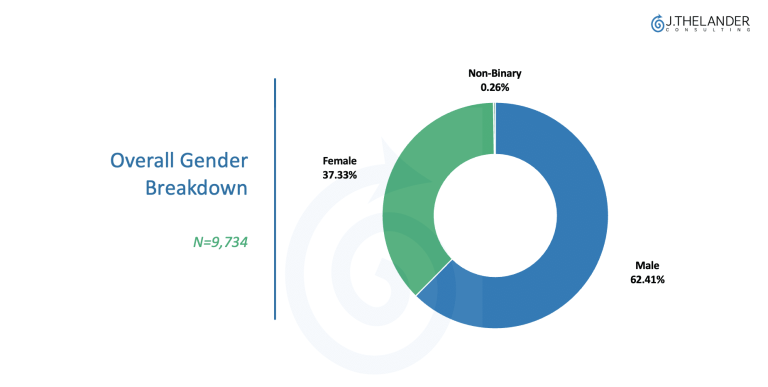
This month, we are digging into gender compensation data for executives and staff-level employees. According to the PitchBook – NVCA Q3 Venture Monitor Report, “80% of first-time financings go to all-male teams.” Thelander has been tracking gender compensation dat for the last 10 years. So, how does this impact compensation? The composition of the 9,734 total employees whose gender was indicated in our 2025 Private Company Compensation Survey was: There is more to the narrative. How does the gender breakdown look by level of seniority – Executives (Chiefs and VPs) compared to Staff-Level Employees (below the VP level)? Key Takeaways: There

Read More »

The State of Gender Compensation in VC

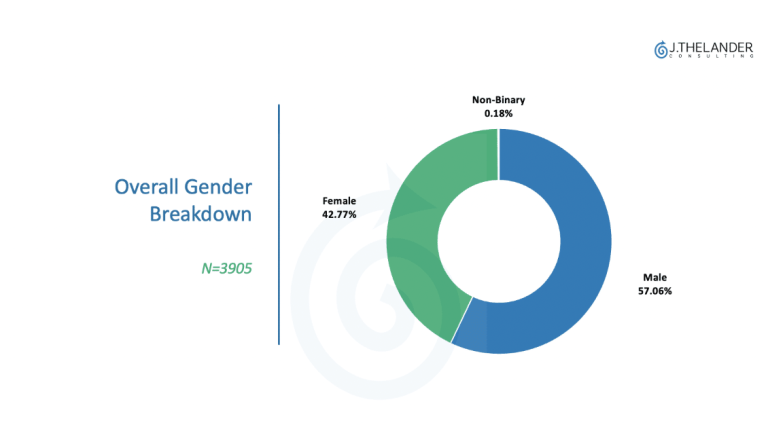
This month, we are digging into gender compensation data among partners and non-partners at venture capital firms. The compensation of the 3,905 total employees whose gender was indicated in our 2025 Thelander-PitchBook Investment Firm Compensation Survey was:  So, what’s the breakdown in venture at firms with less than $1 billion in total AUM? Male partners dominate the category, representing 76.7% compared to 23.1% for female partners.  For non-partners, men make up 58.5% of the category, while women are closer to parity. What does real-time comp data by gender look like for Managing General Partners and Director / Principals? Let’s start with

Read More »

Are Bonuses A Part of Your Total Compensation Program?

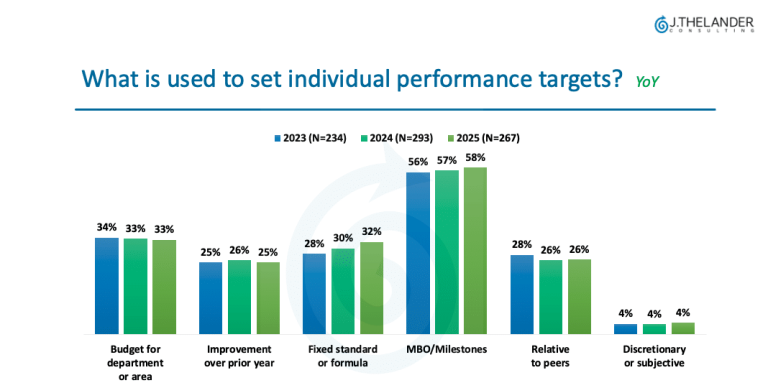
This month, we are digging into bonuses. For investment firms, bonuses can come in a couple of forms: According to the PitchBook – NVCA Q3 Venture Monitor Report, “GPs are exploring ways to generate distributions. The use of secondaries continues to grow, and new ways to use continuation-style vehicles are starting to enter the market. Now, almost four years past the 2021 highs, the liquidity crunch is really beginning to be felt.”  In the analysis below, we’ll look at the factors used to set individual performance targets in the short term and the prevalence of medium term equity or program distribution

Read More »
Private company bonus program — bonus as a percentage of base salary by seniority

Are Bonuses A Part of Your Total Compensation Program?

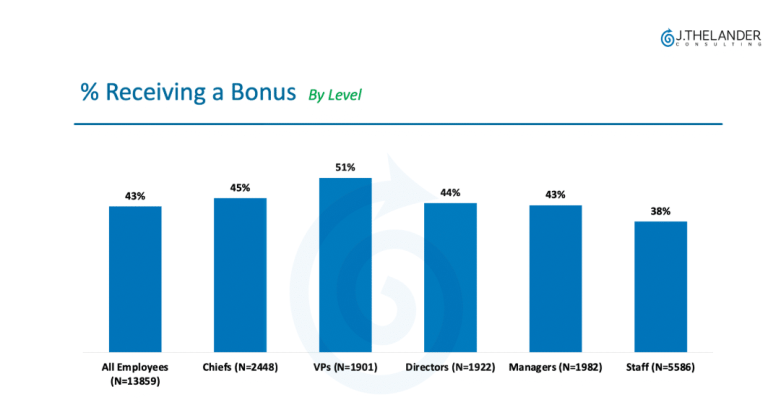
This month, we are digging into annual bonuses – who receives them, what percentage of the base salary they are and what is used to set individual performance targets. Bonuses can be an effective short-term incentive to reward performance in addition to the annual salary. What’s the most effective way to use bonuses? It depends on the type of bonus. There are different versions that include: annual, sign-on, retention, equity, or performance (spot) bonuses. For the purpose of this digest, we are going to focus on annual bonuses to understand how companies are using them. According to the PitchBook – NVCA Q3 Venture Monitor Report,

Read More »

Key Takeaways From the CVC Compensation Panel Webinar

We’re happy to share the recording of our October CVC Compensation Panel Webinar, featuring panelists from Cooley and TDK Ventures. This interactive session explored current CVC compensation trends and valuable insights on how firms are navigating the evolving market. You can watch the full webinar below. Key Takeaways Included: The Professionalization of CVC: There is a growing formality of CVC compensation and role design.Rise of Business Development Roles: Corporate Venture Business Development (CVBD) roles have grown in popularity to optimize the parent company skillset and talent inside the portfolio companies.Structure Drives Compensation: Compensation in CVC Units is heavily influenced by both the structure and

Read More »

Keep Your Finger On The Pulse of Compensation

In today’s fundraising environment, it is taking longer for companies to raise capital and when they do, the rounds are typically bigger, which helps secure a longer runway. According to the latest PitchBook Global Private Market Fundraising Report, “the tone has reverted to cautiously optimistic. The recent uptick in exit activity, coupled with announcements from large firms… is expected to improve fundraising sentiment.”  At the same time, hiring strategies have evolved. Companies have prioritized leaner teams and critical roles, so getting compensation right from the start is more important than ever because each role and individual is key. The sooner your

Read More »

Do Life Science Investors Get Paid More Than Tech Investors? 

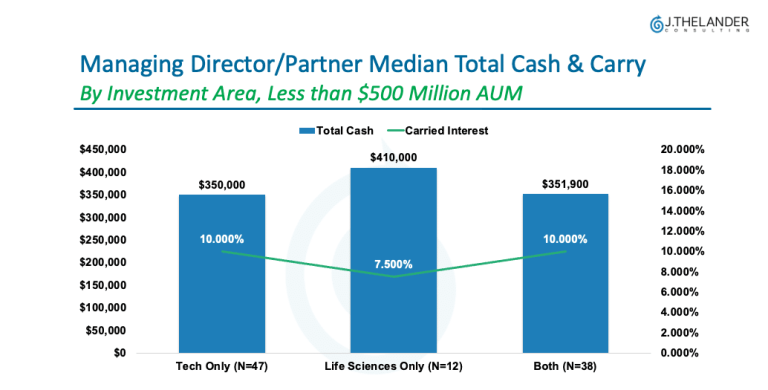
When it comes to tracking compensation trends, including the mix of cash and carry, investment firms – including CVC Units – often ask us: Does a life science firm pay differently than a tech firm? Do the areas you invest in impact the compensation for your team? This month’s Thelander Digest answers that question, breaking down total cash and carried interest percentages for Managing Directors/Partners at investment firms focused on life sciences, tech or both.  Managing Director/Partner: Less Than $500 Million in AUM  “Life Sciences Only” pays more. At firms with <$500 Million AUM, Managing Director/Partners earn $60,000 more in median cash compensation

Read More »

How Investment Firms Are Using AI: Data from the Thelander AI in VC Survey

This month, we are giving you an exclusive look at the results from the AI in VC Survey.  Many investment firms are already getting support from AI, but how far does this extend? Key job roles, especially in fields like investment management, are not looking like they will be replaced by AI. There’s too much knowledge, experience and expertise that goes into these top positions.  How Important Is It For New Hires To Have AI Skills?  Our data shows that 59% of investment firms aren’t looking to hire employees with AI skills. Of the 41% who are, AI is important for mid-level

Read More »

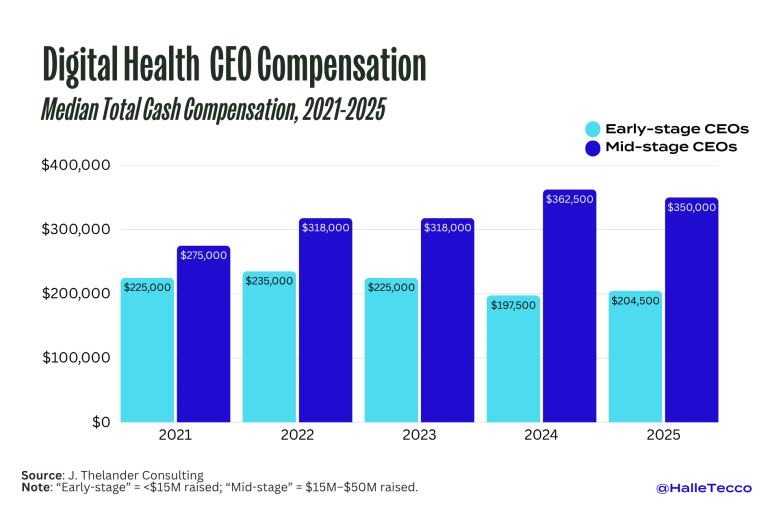
CEO Compensation in Digital Health, Biotech and Tech

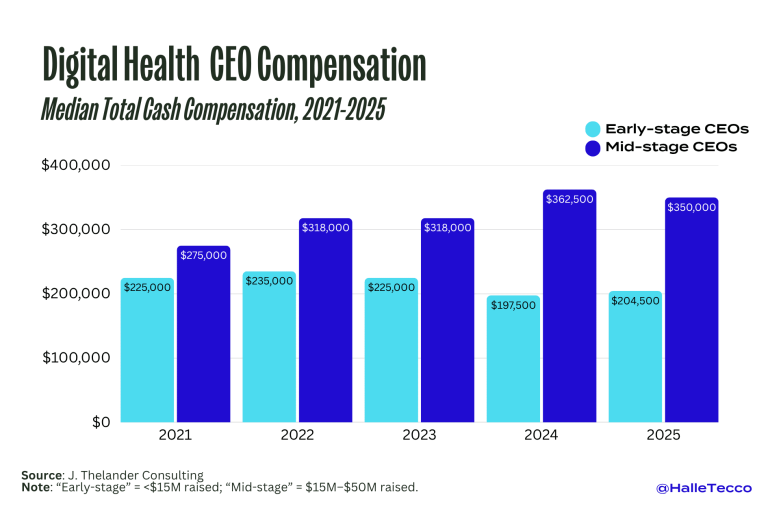
“When you’re building a company, there’s always the question of how much should you pay yourself. The best way to answer that question? Look at actual data.” – Halle Tecco We teamed up with Rock Health Founder, Halle Tecco, to look at what digital health CEO compensation looks like in 2025, how it has changed over the last few years, and how it compares to tech and biotech. You can read Halle’s full blog post here.   The Thelander Digest is powered by data, insights and analysis from the Thelander Platform. Your portfolio companies can access personalized compensation data by filling out our survey today. We can even help

Read More »

How Can CVCs Leverage AI?

Always on the cutting edge of industry trends and innovation, Thelander has released its first AI & Compensation Report, with exclusive insights regarding the use of AI in investment firms of every size and type. Our survey is ongoing, so you can still participate here and weigh in on how your CVC unit is using AI. Whether you’re seeking to hire people with AI experience and skills, and the types of AI support you’re seeking, or looking to understand what other firms are doing, Thelander is the only firm with these unique insights. Participate in The Compensation Survey Today How Important Is

Read More »

Emerging Investment Firms Show Compensation Growth for Key Players

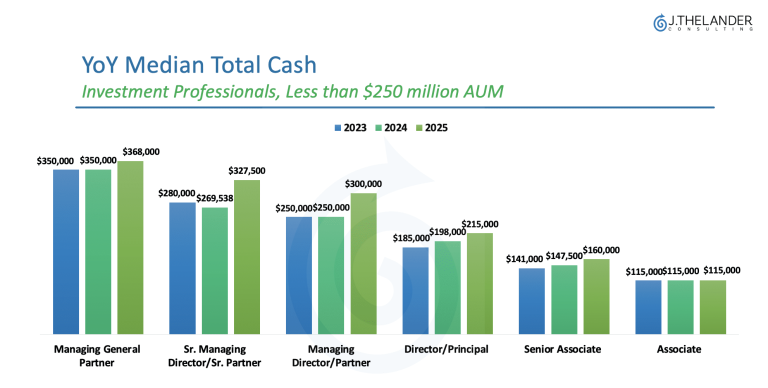
How is compensation for investment professionals stacking up so far for 2025? Using one of our newest platform enhancements, year over year compensation trends, we are going to dig in and see how the median total cash has changed for investment professionals since 2023.  YoY Median Total Cash, Less than $250 Million in AUM Key takeaways:  Median total cash compensation rose across the board, except at the Associate level, for investment professionals at firms with less than $250 million in AUM. Sr. Managing Directors / Sr. Partners and Managing Directors / Partners saw the greatest cash compensation increase, with the

Read More »

Successful CVCs Stay Ahead of the Innovation Curve

“The average lifespan of a Fortune 500 company has dropped from 61 years in 1958 to less than 18 today.” This statistic shocked us when our upcoming CapLander podcast guest, Mark S. Brooks shared it with us. But this shorter lifespan doesn’t mean the end of corporate venture capital firms – not by a long shot! In fact, innovative CVC Units, ones who really “catalyze transformation,” as Brooks wrote in a recent article, work with leaders to reshape industries. “The best CVCs are powered by leaders obsessed with ground truth and curiousity. They meet founders. They explore edges,” Brooks wrote. Make

Read More »

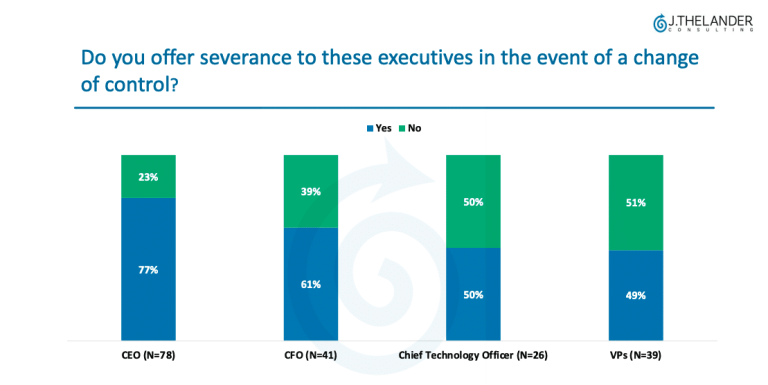
Private Company Severance Plans: Exclusive Data on M&A and Change of Control

This month’s Thelander Digest dives into severance and change in control – which affects private company executives and key employees. It’s important to have a plan in place even if there’s no merger or acquisition on the horizon. And, to create that plan, you need access to relevant, real-time data specific to the global private capital market.  Below you’ll find an exclusive preview of data from the Thelander M&A with Change of Control & Severance Survey, which closes August 8th. Participate today to secure your complimentary overview report.  The Importance of Severance Plans Two AI startups, along with tech giant Google, made headlines

Read More »